Rising Cedars – Touchstone Mental Health

Date

2021

Category

Housing,

History

Rising Cedar was the first housing project to be developed in the multi-phase Seward Commons project.

When visioning what the future of this formerly-industrial area on the then-new Light Rail system could be, residents identified an important unmet need: safe, stable, and supportive housing for adults living with persistent mental illness.

The Vision

Developed in partnership with Touchstone Mental Health and Project for Pride in Living, Rising Cedar integrates housing, services, and community into a single, intentional environment.

Located along the Cedar Avenue Corridor, Rising Cedar was designed not as an isolated facility, but as part of the broader neighborhood fabric, ensuring residents remain connected to transit, services, and community life.

The vision was grounded in several key principles:

  • Housing First: Stable housing as the foundation for recovery
  • Voluntary services: Support that is available, not mandated
  • Dignity and autonomy: Residents maintain control over their lives and choices
  • Integration, not isolation: A building that is part of the community, not removed from it

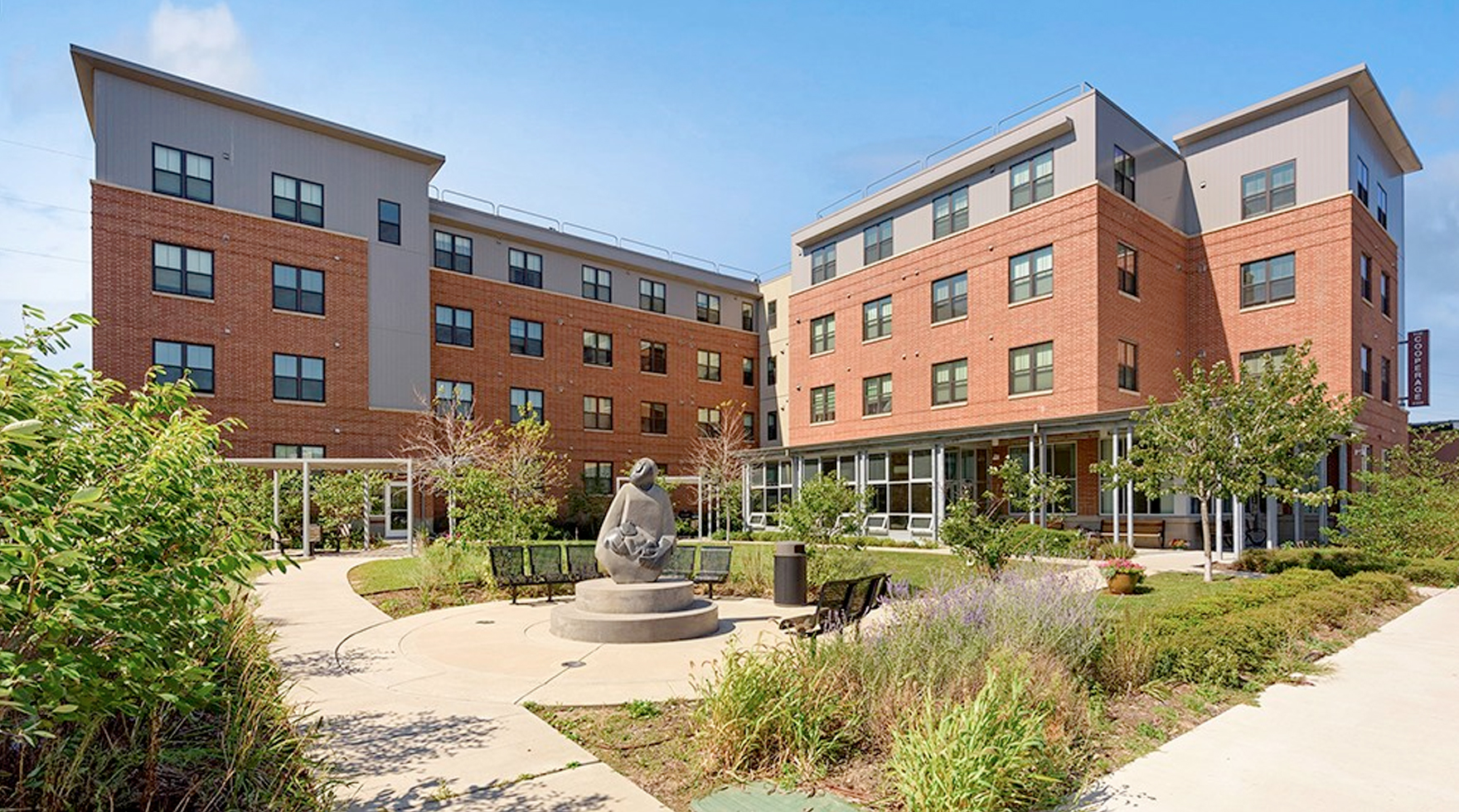
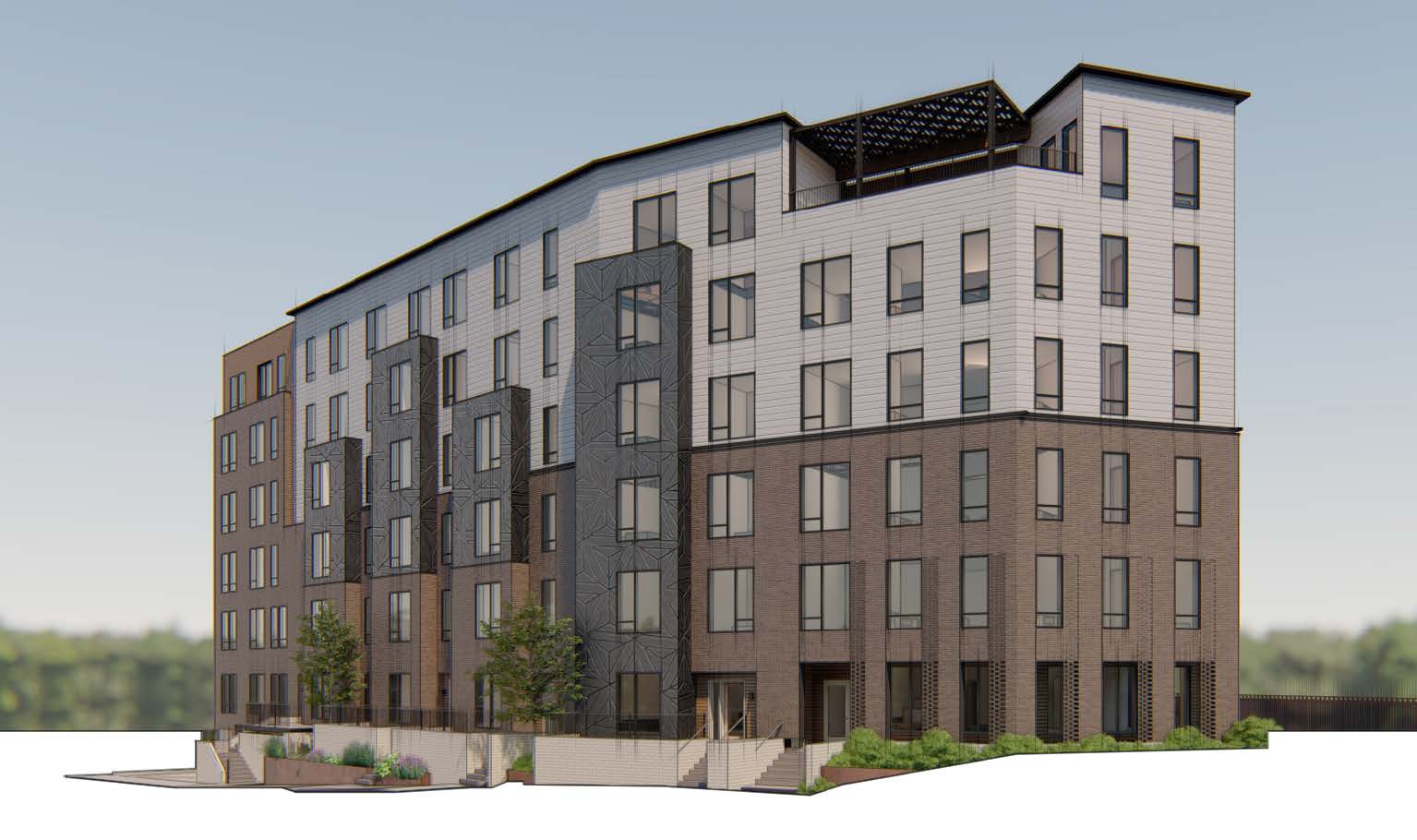
The physical design reinforces these values. Rising Cedar includes 40 private, handicap-accessible one-bedroom apartments, shared community spaces, natural light, open spaces, and a healing garden and courtyard programmed with services for residents. Rising Cedar also houses Touchstone Mental Health’s regional headquarters.
Community Mission & Impact

Rising Cedar provides permanent supportive housing for adults living with persistent mental illness, offering not just a place to live, but a foundation for stability and growth.

The impact of this model is both immediate and long-term. Stable housing reduces reliance on emergency services, improves health outcomes, and creates pathways for individuals to rebuild their lives on their own terms.

But beyond individual outcomes, Rising Cedar challenges broader assumptions about how systems should work, demonstrating that housing is healthcare, stability is a prerequisite for recovery, and community-based solutions are more effective than institutional ones

Rising Cedar stands as a powerful example of how thoughtful development rooted in partnership and guided by lived experience can reshape systems to better serve those who have too often been left out.