The Cooperage
Date
2021Category
Housing,
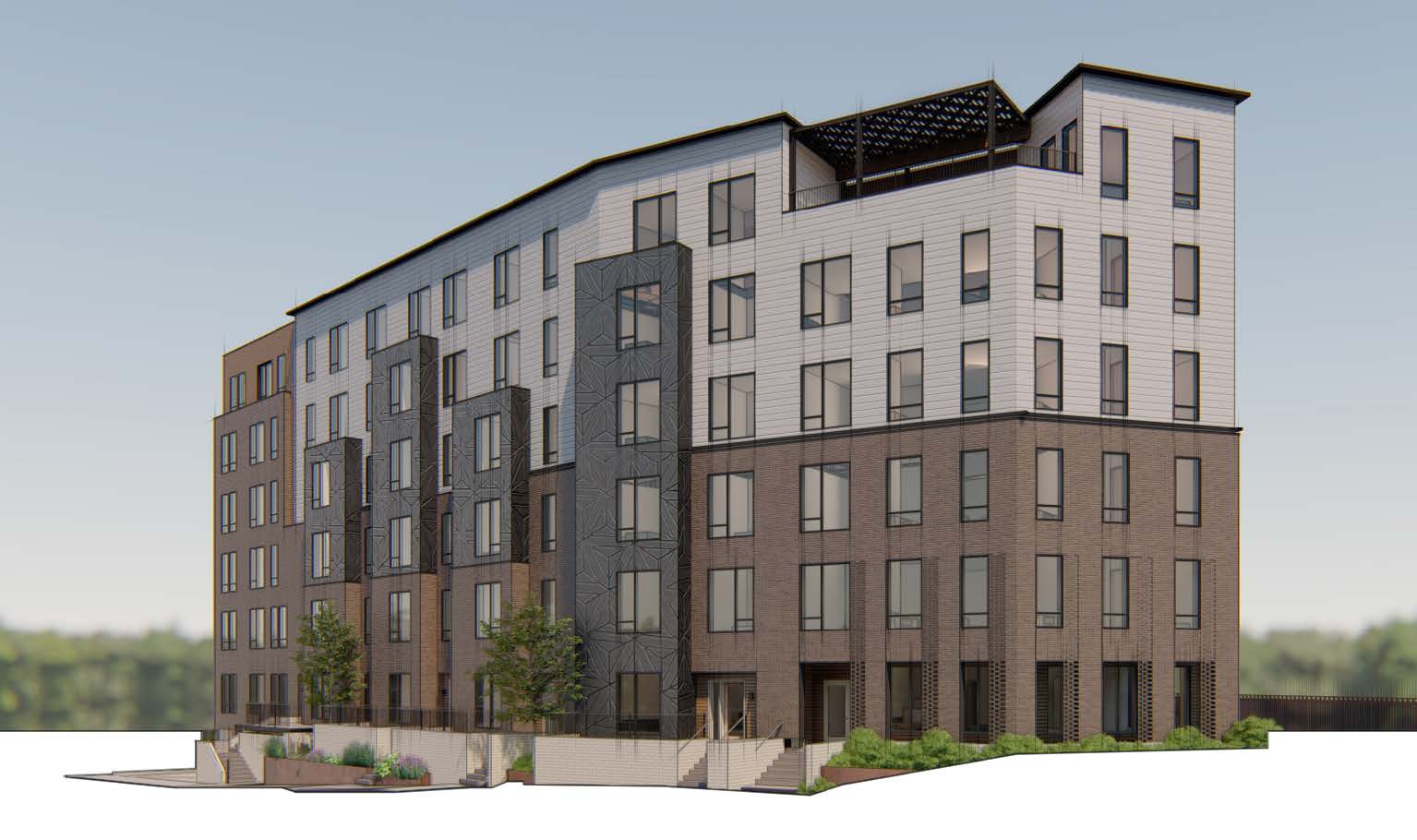
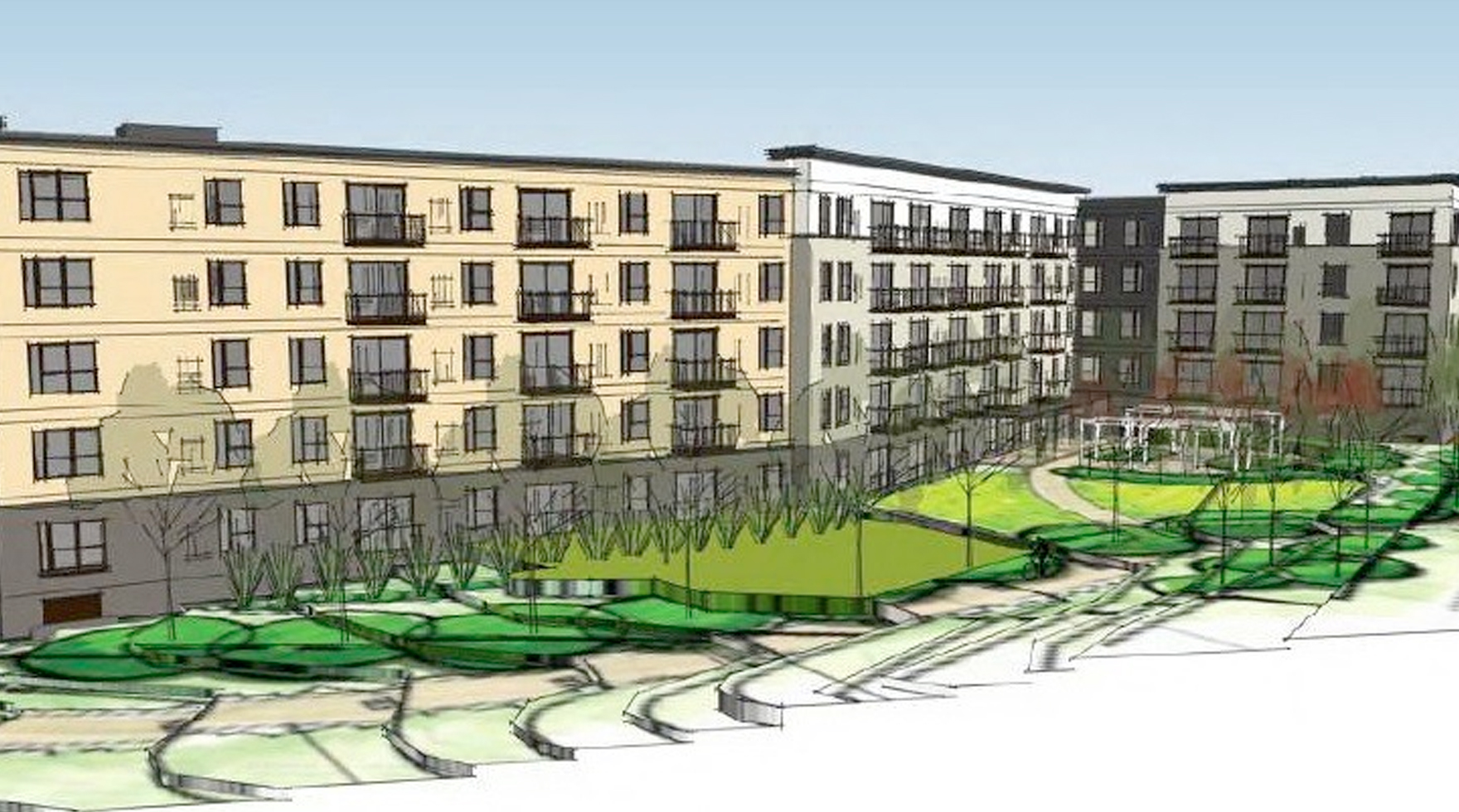
The Cooperage is one of the key pieces of Seward Commons, a multi-phase redevelopment that transformed a former industrial site into a mixed-use, community-centered neighborhood.
When visioning what the neighborhood needed, residents identified a growing need and persistent gap when it came to housing and services for older adults – especially for those on fixed or limited incomes. Many seniors in the neighborhood faced (and continue to face) rising housing costs, aging buildings that no longer met accessibility needs, or the prospect of being displaced from a community where they have deep roots.
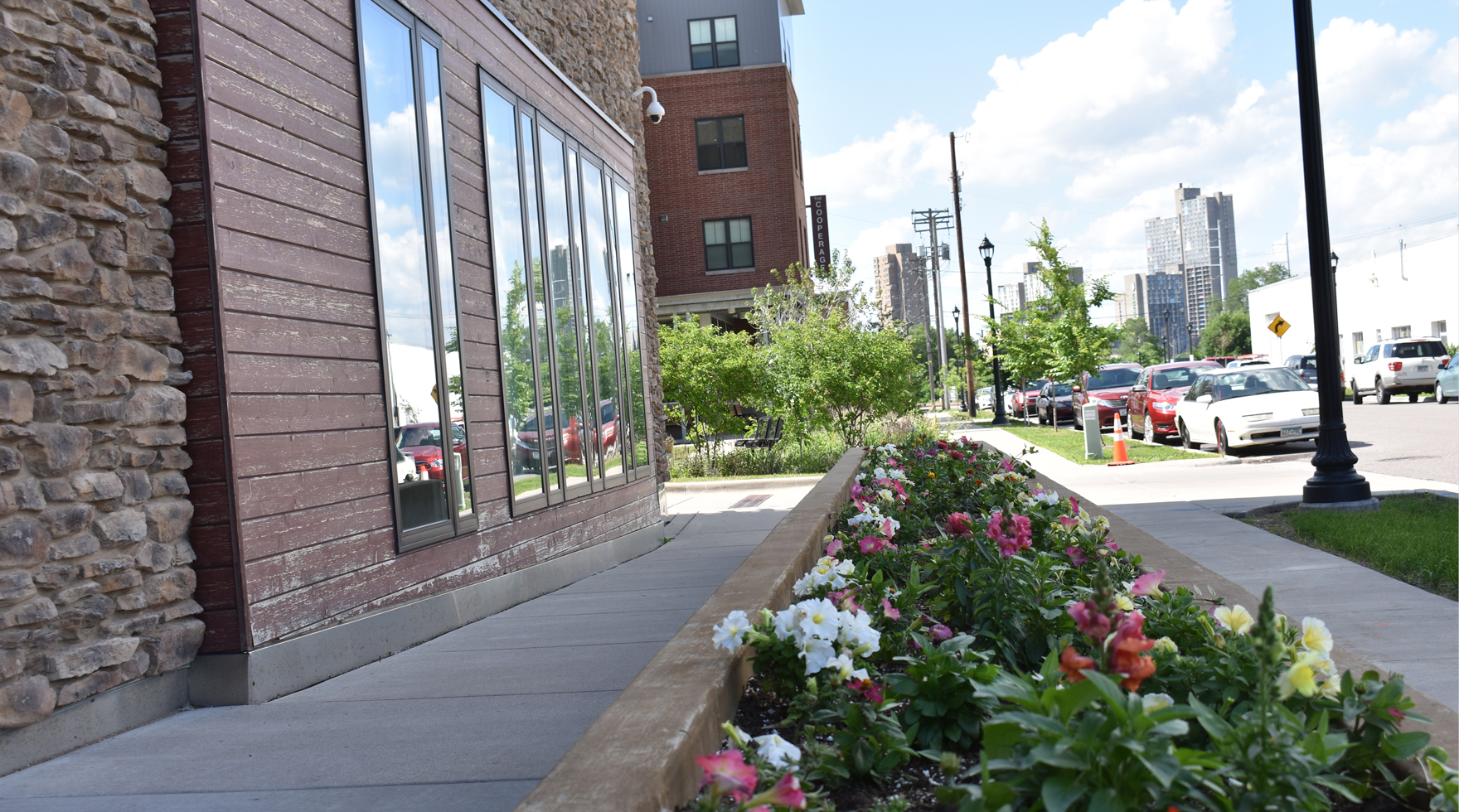
Completed in 2015, The Cooperage was developed as a direct response to that need: a 60-unit affordable senior housing community with services, designed to allow residents to age in place while remaining connected to their neighborhood.

The Cooperage reflects a systems-level response to the question of how we ensure that people can remain in the communities they helped build as they age.
Rather than treating senior housing as an isolated or institutional use, Redesign partnered with CommonBond Communities to set The Cooperage up as part of a larger ecosystem, integrated into a walkable, transit-connected neighborhood with access to services, public space, and community life.
Key elements include:
This approach challenges a common pattern in housing development, where seniors are often separated from broader community life or priced out of it entirely.
By integrating affordability, services, sustainability, and location, The Cooperage demonstrates that senior housing can be both deeply practical and deeply connected.
The Cooperage provides 60 units of affordable housing for older adults, offering stability, dignity, and continued connection to community.
But the deeper impact of The Cooperage lies in what it represents, demonstrating that:
Within the broader Seward Commons vision, The Cooperage ensures that older adults are not left out of the future being built.
It stands as a reminder that equitable development is not just about who moves in, but who gets to stay.