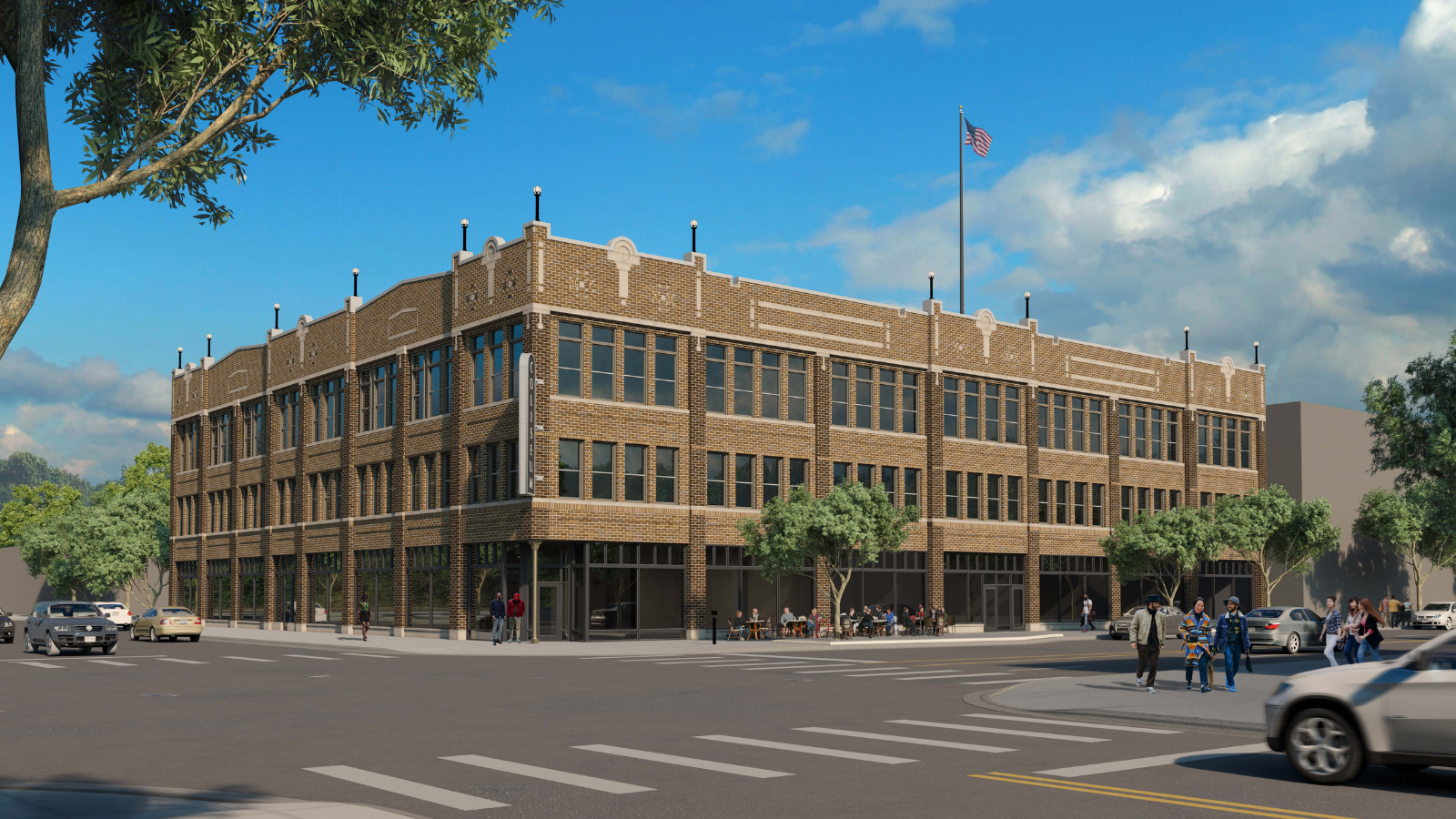
Wadaag Commons
Date
2024Category
Featured, Affordable Housing,
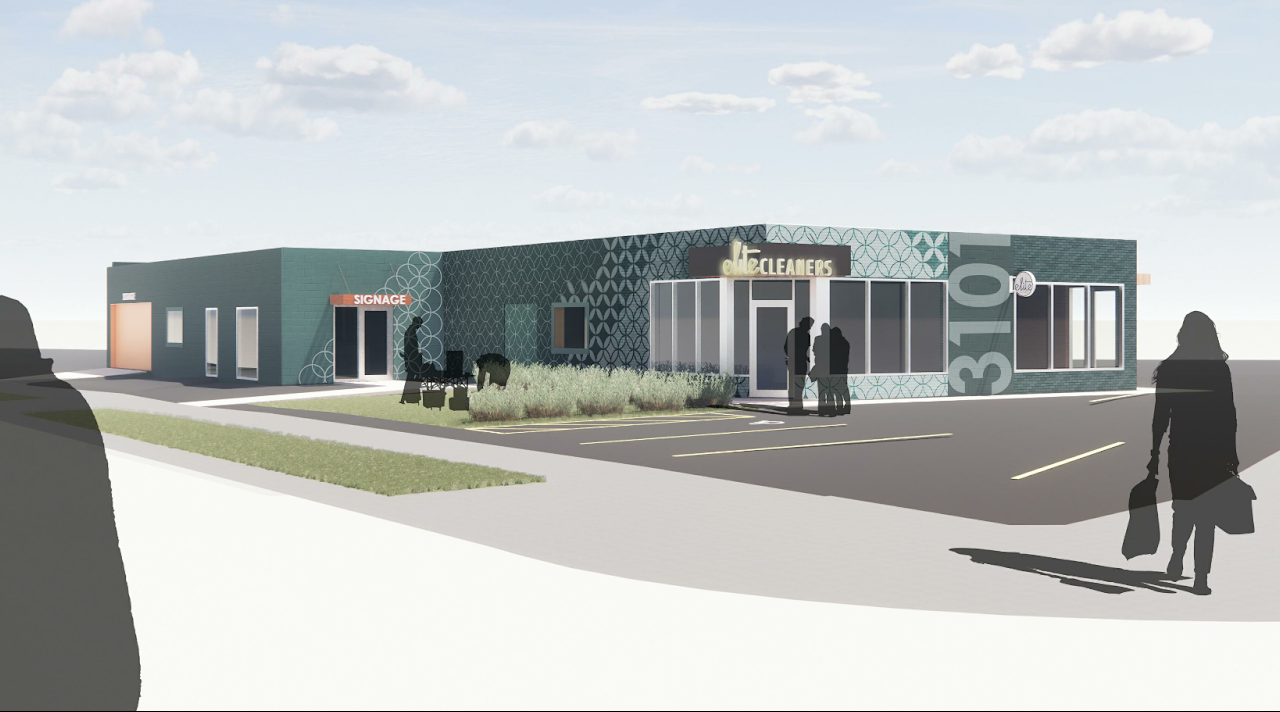
Wadaag Commons is the sixth and final piece of the larger Seward Commons project – a redevelopment of an industrial area adjacent to the Franklin Avenue lightrail station. A partnership between Redesign and Noor Companies – an East African woman-owned company – Wadaag Commons is designed to meet the needs of large families.
Wadaag aims to serve people who are underserved by the current housing stock in Minneapolis. This 39 unit, 6-story elevator-served apartment building will be 100% affordable to low-income families and will include:
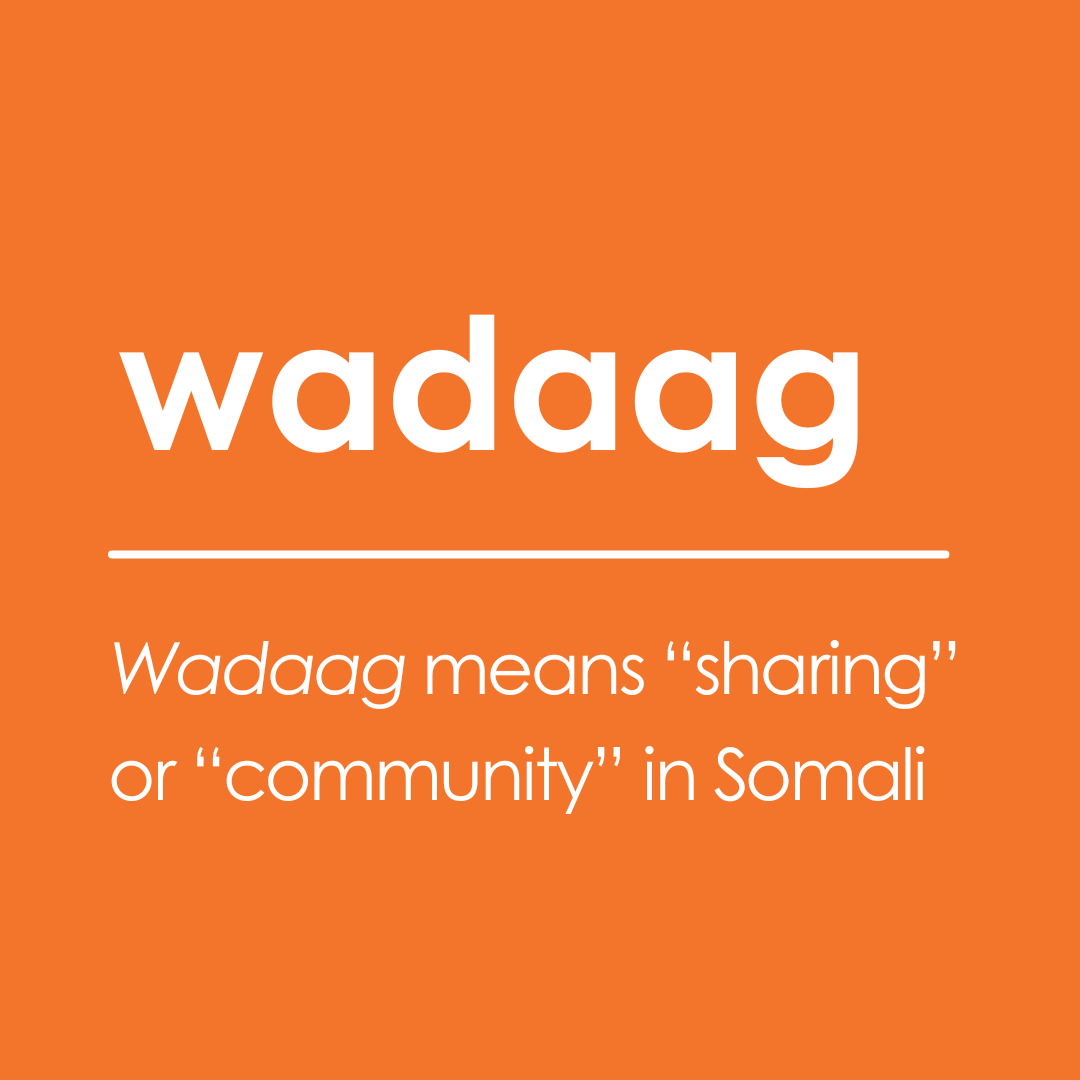
To inform the design of Wadaag Commons, the development team convened a Qualified Stakeholder Group made up of likely Wadaag residents: people of East African descent and households with multiple children and children with disabilities. The goal for this engagement process was to identify and attempt to address the most important unmet needs of large families and to ensure cultural relevancy in the project’s design.
This group of stakeholders expressed the following needs that will be met by Wadaag Commons:
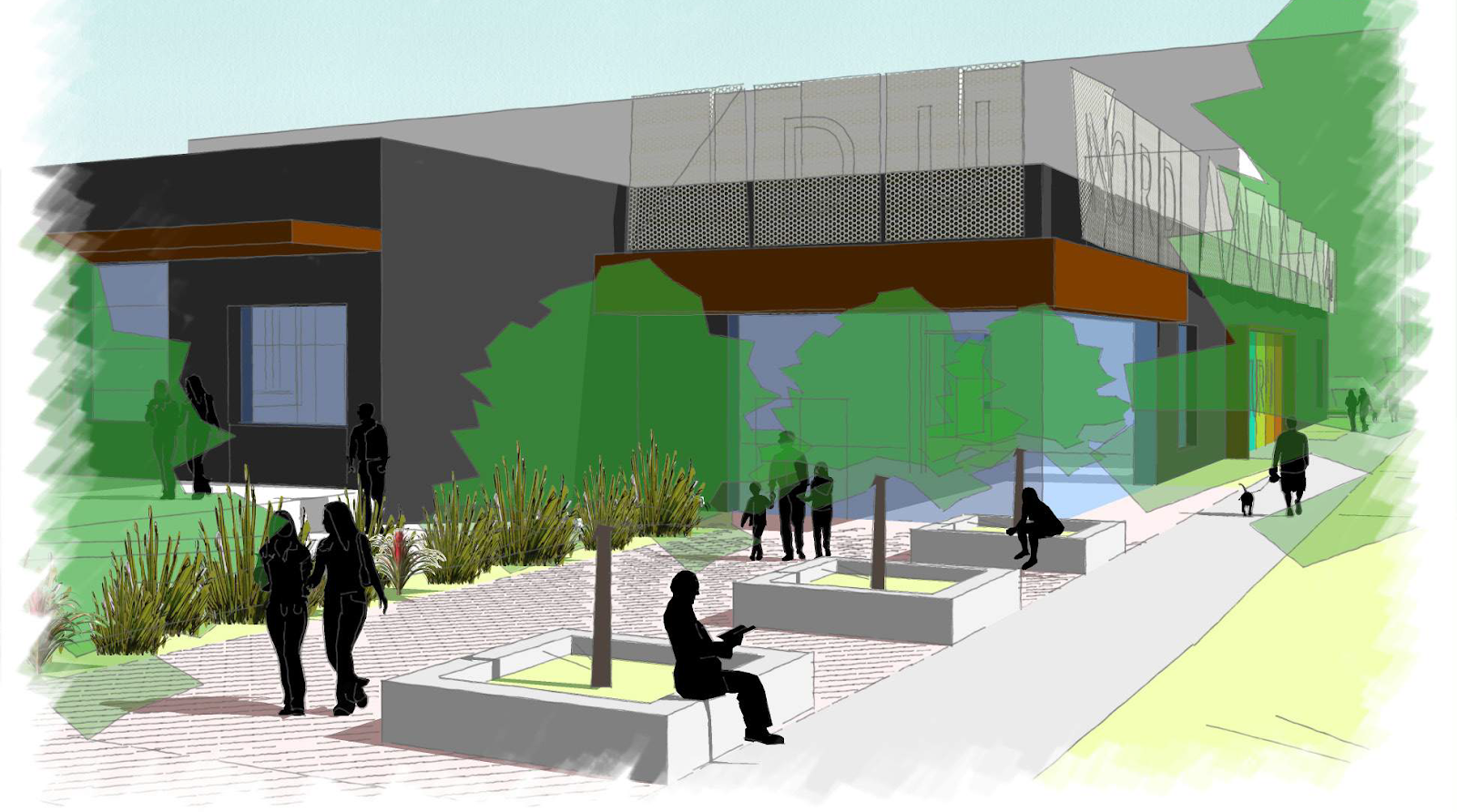
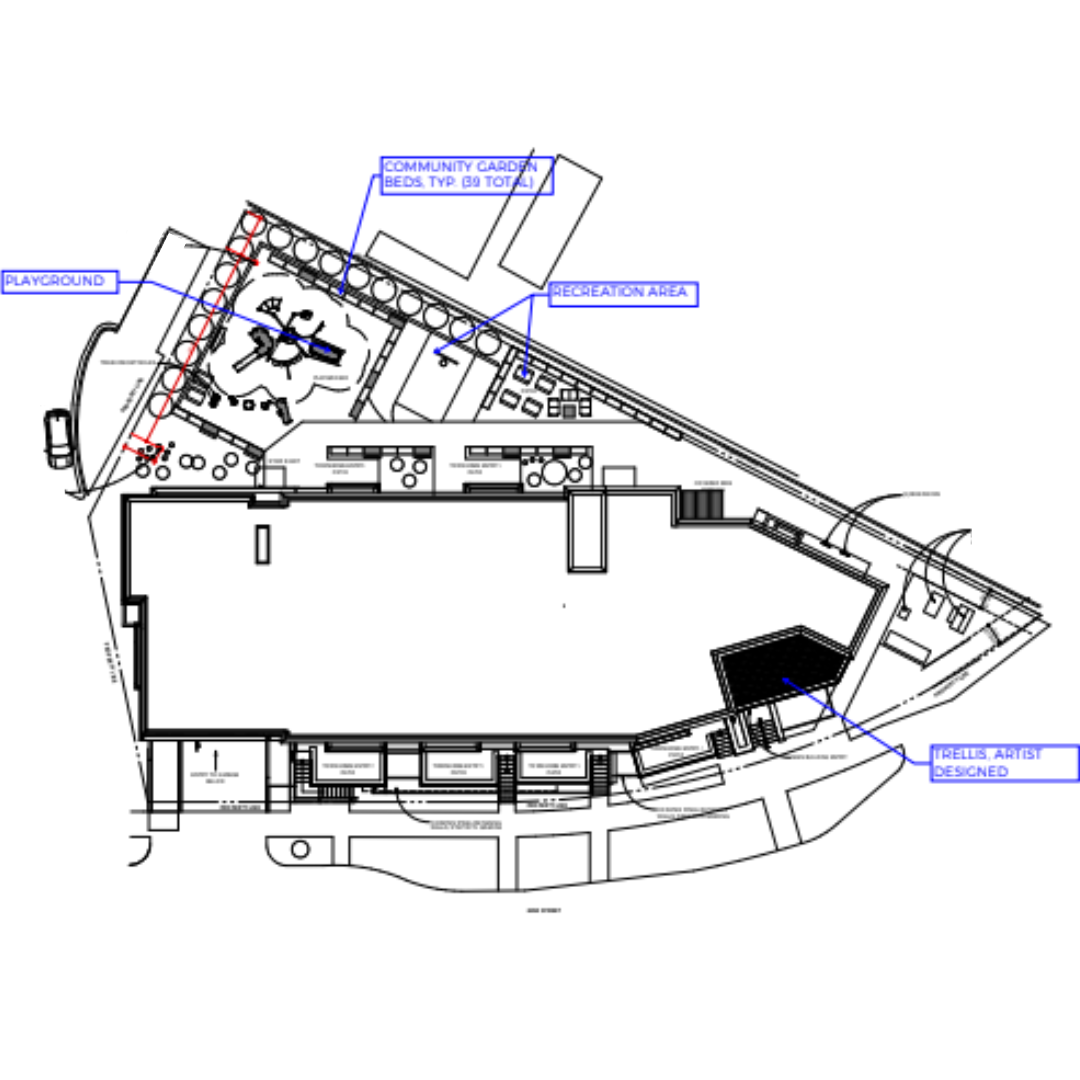
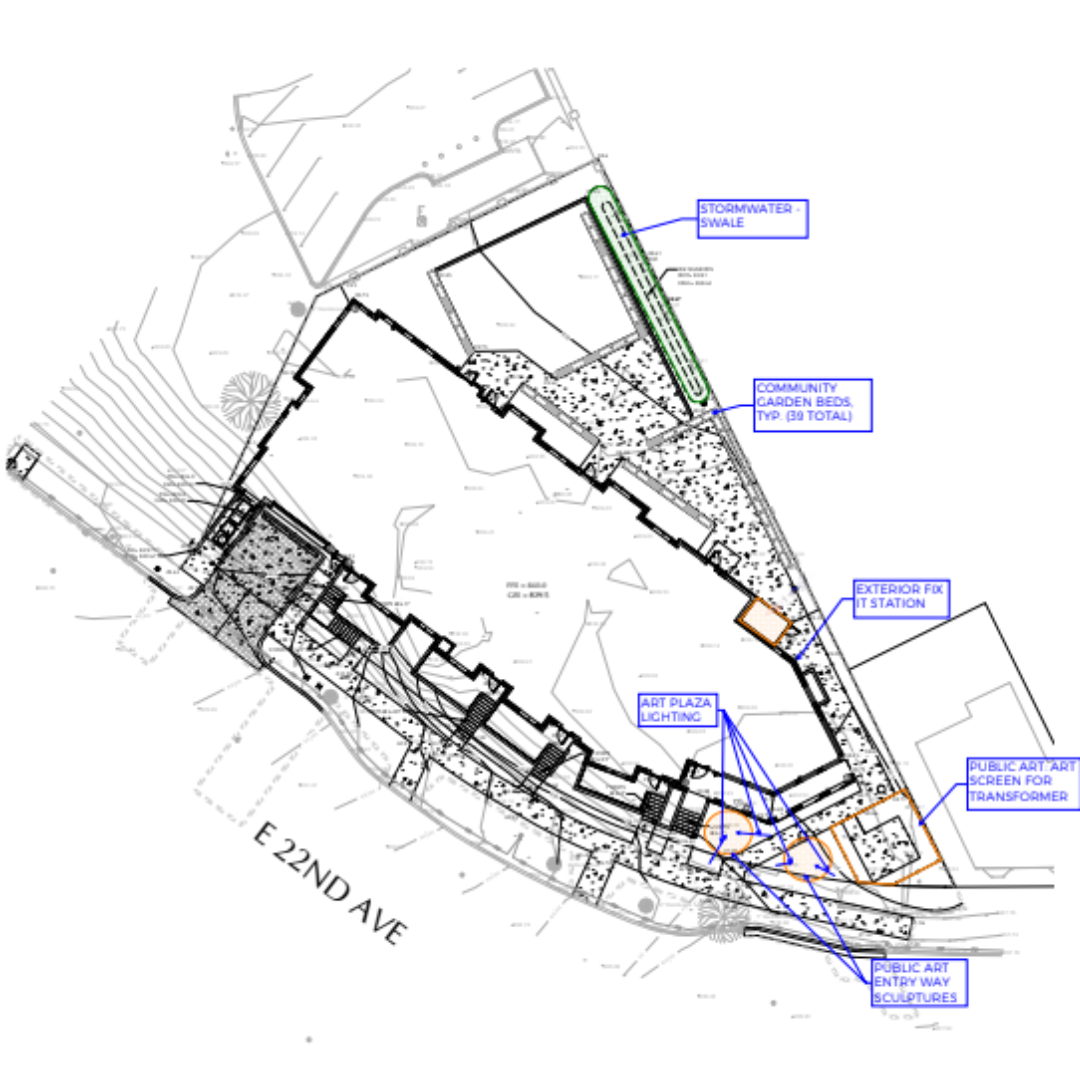
The area immediately surrounding the Wadaag Commons site is a major thoroughfare for pedestrians and cyclists accessing the Light Rail Transit station and trail. As part of the design phase of this project, the stakeholder group shared their vision for how to make Wadaag feel like part of the broader community. This includes:
Stay informed about what’s happening with the Wadaag Commons project by subscribing to our newsletter or following Redesign on social media.
New Housing Development Uncovers Artifacts | MN Department of Administration
Family-oriented and affordable complex planned in Seward neighborhood | Finance & Commerce | August 18, 2022
Rep. Omar Advances $46.9 Million in Funding for Minnesota’s 5th District | Medium | July 14, 2021