Franklin East

Date

2021

Category

Commercial Real Estate,

History

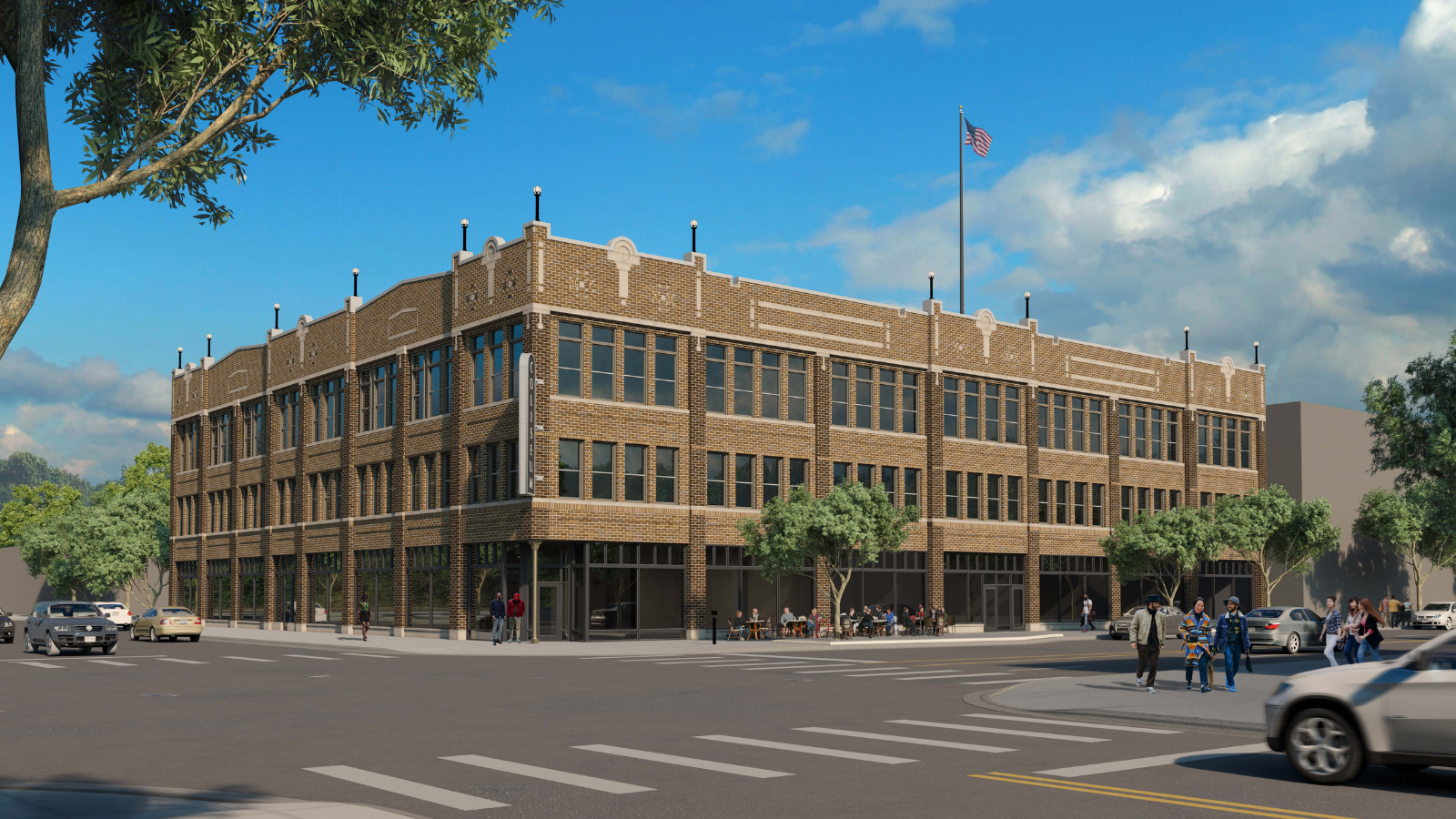
Since its construction in the early 1900s, the building stretching from 26th to 27th Avenues along Franklin Avenue has served as a neighborhood commercial hub. Over the decades, it housed a variety of locally-owned businesses that met everyday needs and reflected the corridor’s working-class and immigrant character. From Ross Drug, an old-fashioned drug store with a soda fountain, to barbershops, bakeries, and accountants, small-scale, service-oriented businesses established the building as a place of practical support and informal connection, a role it would continue to play in different forms over time.

For decades, Franklin East was home to Smiley’s Clinic, a grassroots medical practice that became a lifeline for people who were routinely excluded from mainstream healthcare. Founded in the early 1970s, the clinic was known for serving uninsured patients, immigrants, LGBTQ+ communities, activists, and people living with HIV/AIDS, often at moments when few other providers would. Smiley’s embodied a model of care rooted in dignity, trust, and meeting people where they were, both literally and figuratively.

The clinic’s presence made the building more than just a commercial property; it was a place of refuge, advocacy, and community connection along Franklin Avenue. When Smiley’s Clinic eventually closed and relocated, its departure reflected broader pressures facing community-serving institutions along the corridor: rising costs, aging infrastructure, and the difficulty of sustaining mission-driven work in a changing real estate market.

When Redesign purchased the building in 1991 (one of the organization’s earliest property purchases) and located its offices in the building, it did so with an awareness of this legacy. Being on Franklin Avenue was not simply about convenience or visibility. It was a commitment to remain embedded in the daily life of the neighborhood and to practice development in public. Rather than relying solely on formal engagement processes, Redesign staff cultivated relationships the same way Smiley’s had for years: through proximity, openness, and an always-open front door.


The Vision

By the time Redesign acquired Franklin East, the building was showing clear signs of disinvestment, including leaky roofs, failing systems, and broken or deteriorated windows. Redesign’s acquisition marked a deliberate intervention at a fragile moment. Rather than allowing the building to slide further into decline or be repositioned for speculative use, Redesign invested in stabilizing and rehabilitating the property, repairing core systems, addressing deferred maintenance, and restoring its physical presence on Franklin Avenue.

These improvements made the building not only functional again, but dignified and welcoming, signaling long-term commitment rather than short-term extraction. That investment created the conditions for the building’s next chapter: a return to its roots as a flexible, multi-tenant space supporting small businesses, service providers, and community-oriented enterprises.

Redesign’s vision for Franklin East has been rooted in continuity rather than control, ensuring the building remains useful, adaptable, and economically viable for the kinds of small businesses and service providers that have long relied on Franklin Avenue.

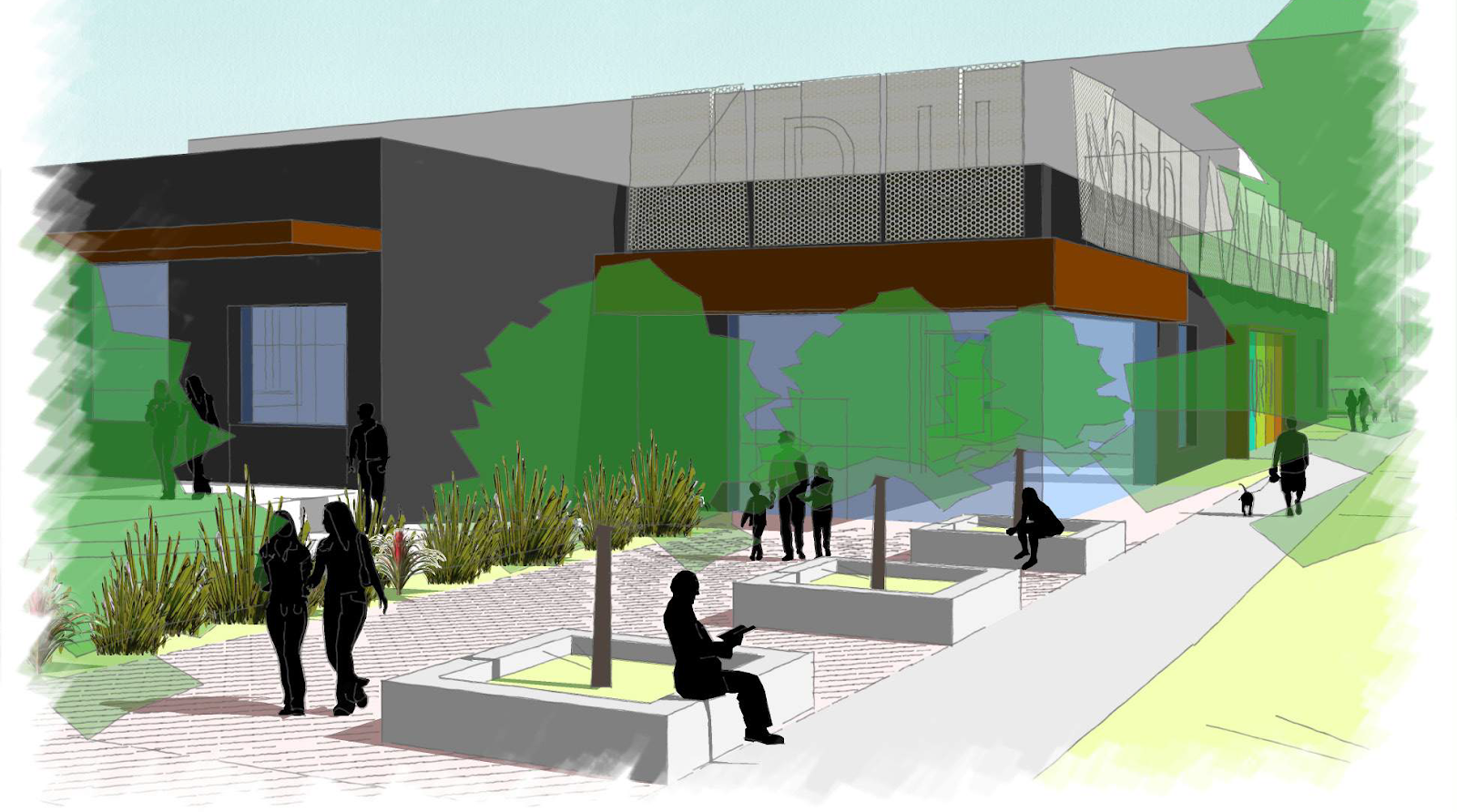
As tenant needs changed, Redesign chose evolution over erasure. When True Thai moved out of its oversized restaurant space, the organization resisted the pressure to replace it with another single, high-rent tenant. Instead, the space was subdivided into smaller, more manageable commercial units.

This decision reflects a values-based understanding of sustainability: smaller spaces reduce risk, lower barriers to entry, and allow more businesses to coexist within one building. Tenants like Soberfish and Steady Tattoo were able to take root because the space was designed to be attainable and durable, not optimized for short-term return.

Rather than chasing the highest rent, Redesign focused on long-term stewardship: keeping the building financially healthy while ensuring it continues to serve enterprises aligned with the corridor’s social and economic life.


Community Mission & Impact

Franklin East functions today as a quiet workhorse of community economic infrastructure.

The building’s basement offices are home to dozens of small, mostly service-oriented businesses that rely on affordable, professional space to serve their clients and sustain their livelihoods. For many, these offices represent an early rung on the commercial ladder: a place to formalize work, grow capacity, and remain rooted in the neighborhood.

Across its many chapters – from neighborhood commercial building, to community healthcare hub, to nonprofit home base, to small-business ecosystem – Franklin East demonstrates how patient ownership can preserve a building’s social function even as its tenants change. It shows that systems change does not always arrive through dramatic redevelopment, but through long-term stewardship that allows care, work, and opportunity to keep happening in familiar, trusted places.

View Currently Leasable Spaces